
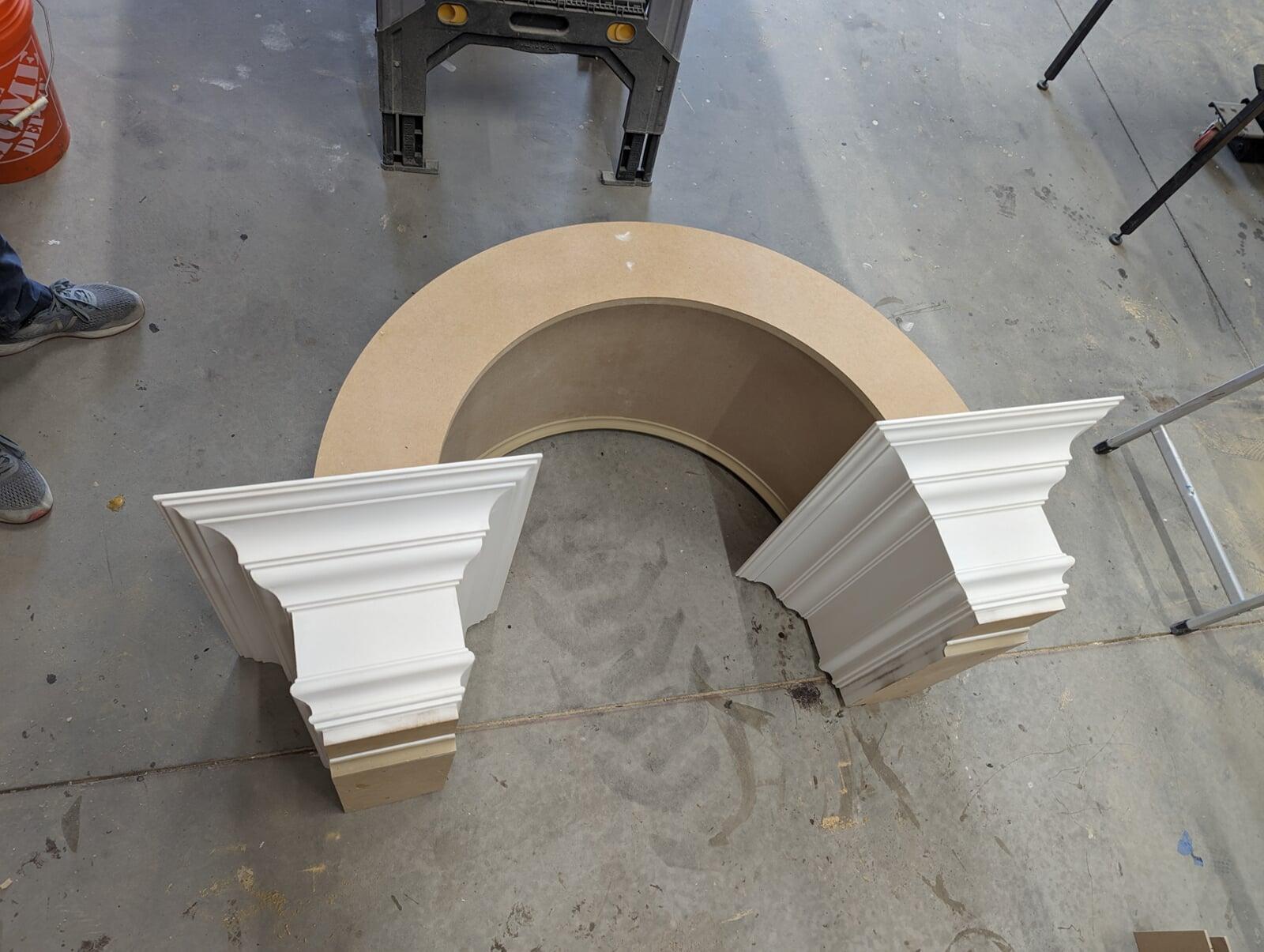
There are more than 25,000 properties that are listed on the National Register of Historic Places. Many of these buildings include local landmarks like community theaters, town halls, places of worship, and other structures. These buildings have fallen into disrepair over the years for several different reasons, including lack of funding, age, wear and tear, and lack of maintenance. Architectural foam molding from Mythodium can help bring these structures back to life and transform the exterior design of these buildings for many years to come.
Continue reading and learn how architectural foam molding can transform exterior designs.
The Benefits of Restoring an Older Historical Building
Many people often assume that a newer, green building is a viable option for their community. However, that is often not the case. According to the EPA, it’s often best to rehabilitate an older, historic structure, because:
A historic building is often the centerpiece of a community and can help that community identify with a sense of heritage while encouraging new growth.
It’s often easier to recover energy savings from a historic building; a new building made largely with recycled materials will take about 65 years to recover the energy expended in demolishing an existing structure.
Repurposing existing buildings will often minimize the downtime of an organization while it’s out of a building because renovation time is often less than new construction.
At the end of the day, renovating a historic building is often the best option to building a new structure on the existing site. Architectural foam molding is often an important part of renovating an existing historical structure.
What is Architectural Foam Molding?
Architectural foam molding, also known as foam trim or foam accents, is a type of decorative element used in building construction and design. It is made from high-density expanded polystyrene (EPS) foam, which is a lightweight and durable material. The foam is shaped and molded into various designs, patterns, and profiles to create decorative architectural features such as cornices, columns, window trim, arches, and other details. Moldings can be standard or custom-made to match an existing profile.
Architectural foam molding has several advantages over traditional building materials such as wood, stone, or plaster. It is less expensive, easier to install, and can be coated to match any color scheme. It is also weather-resistant and does not deteriorate over time, making it a long-lasting and low-maintenance option for exterior and interior design.
How Mythodium’ Moldings Compares
Mythodium utilizes a process that is known as Baucoat Coating. This technique places a coating on the foam material that results in:
Increased crack resistance: The Baucoat Coating results in a highly crack resistant product, in comparison to concrete and synthetic-based renders.
Increased water and weather resistance: The coating will also make the foam molding highly resistant to water and the weather.
Permeability: While highly resistant to water, the molding will allow the structure to breathe naturally, eliminating fungus, mold, and other types of structure-damaging growths.
Lightweight: Compared to wood, concrete, or dense plastic, these EPS moldings are lightweight and easy to adhere and fasten to interiors and exterior surfaces.
Cost-effective: Baucoated EPS foam moldings are very competitive with traditional moldings and often are a more cost effective option.
Why Choose Mythodium
Now that you know how architectural foam molding can transform exterior designs you will want to purchase yours from the best.
Mythodium is a trusted provider of high-quality foam molding products that are custom-made to fit the unique needs of each project. Our foam molding is lightweight, durable, and weather-resistant, making it an excellent choice for both interior and exterior applications.
Additionally, our foam molding products are designed to replicate the look and feel of traditional building materials, allowing for seamless integration with existing architectural features.
Ultimately, using architectural foam molding from Mythodium can help enhance the beauty and value of any building while providing long-lasting durability and low maintenance requirements.
Get in touch today for a quote!
The second stage in the entire process comes when you start sculpting the foam. During the sculpting process, you can form the foam into the shape you desire. Sculpting can be time-consuming, especially because we create many unique shapes for different needs, but our team of experienced crafters is ready to take on any challenge.
You can use a grid system before beginning the sculpting process in the foam. While using this grid system to create a free-hand drawing on the foam or for a more precise image, you can use a projector to send a lighted picture from a 3D model to the foam. This allows the foam creators to trace the pattern of your designs directly onto the foam.
You will then need to start cutting out your design choice. We can use many tools to cut foam, including electric knives, die grinders, and hand saws.
Making sure to choose the most suitable cutter for the foam you've chosen and the design being used is essential if we want the sculpting of the design to be as smooth as possible.