

IIDP™
The Immediate Interactive Design Process
Our proprietary design process
You see the design process immediately changed via your input
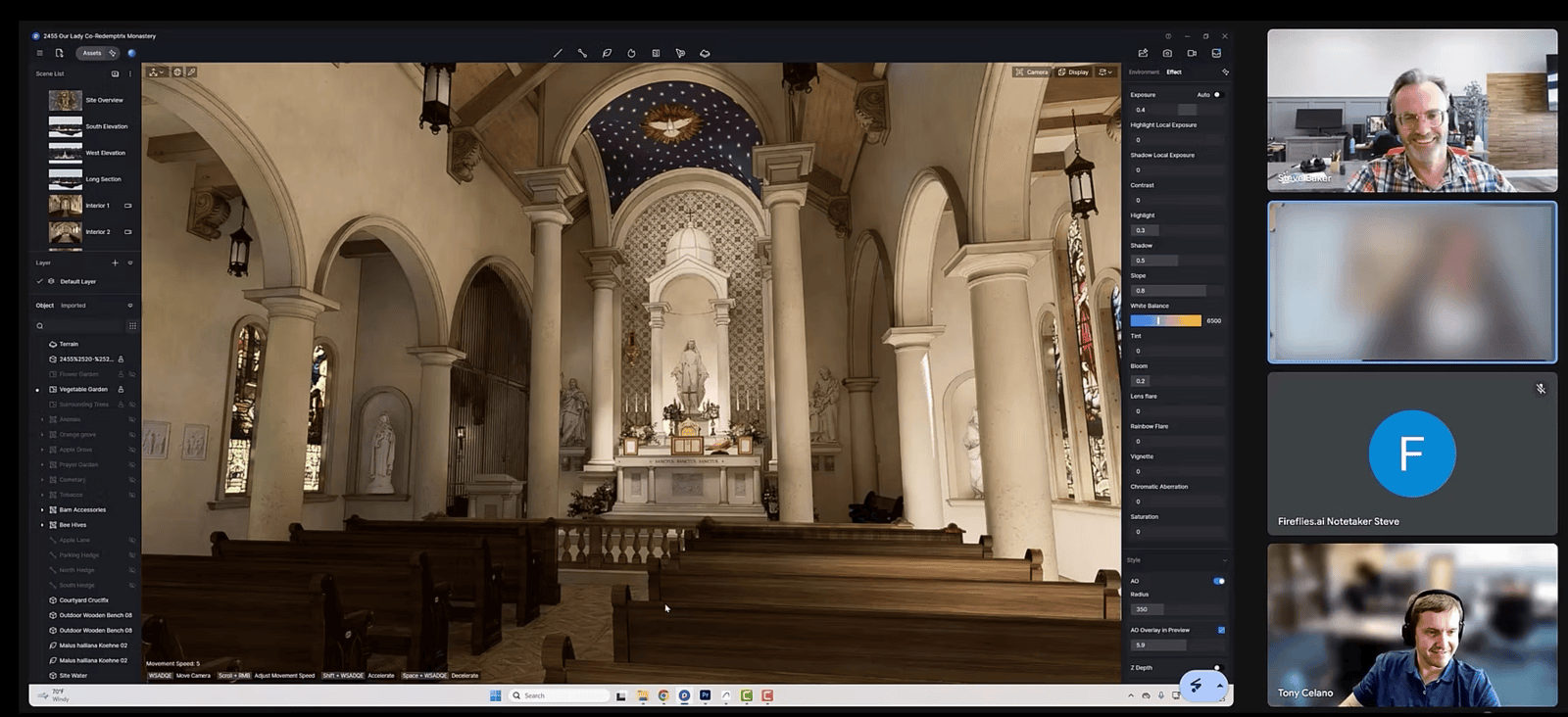
This unique process involves a 10-week IIDP process for working with clients. This Immediate Interactive Design Process involves weekly design sessions where we sit with you and your building committee, either in-person or through a zoom conference call, and immediately change and alter the design model while discussing the project with you. An immediate record of all design decisions is recorded in the model and all input is interactively added as we meet and design.
Through the traditional meet, wait-to-meet, present design process, clients experience design delays, input not being included, not having a thorough understanding of the design, etc., etc., etc.
Through the traditional meet, wait-to-meet, present design process, clients experience design delays, input not being included, not having a thorough understanding of the design, etc., etc., etc.
At Mythodium, we created a better way...
At Mythodium, we created a better way...
IIDP™ Live Demo
Experience a taste of the IIDP™ process with this recorded demo
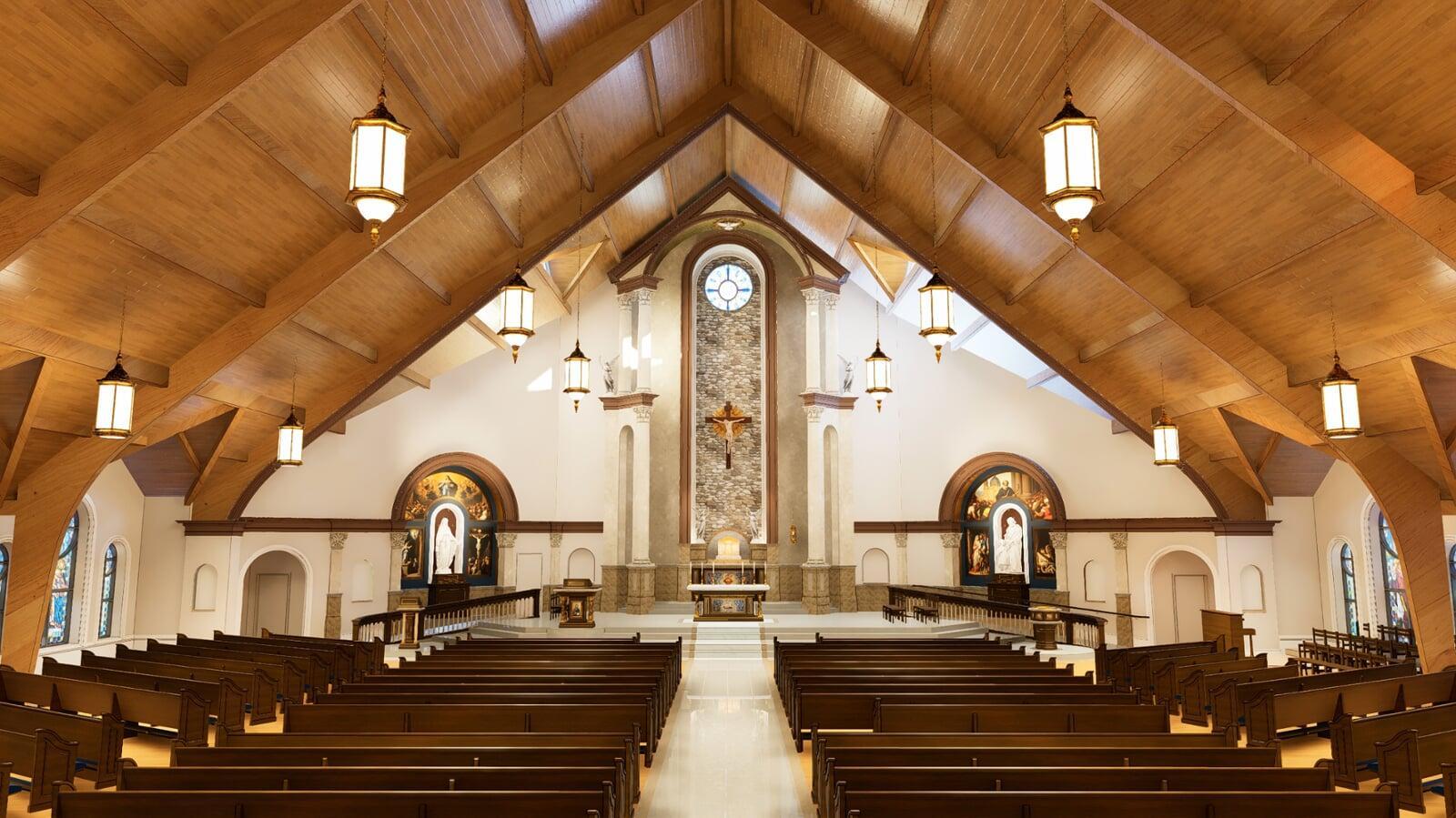
Benefits of IIDP™
- No weekly delays or forgotten notes
- Immediate documentation of the design at any point along the design process
- Instant updates to cost estimates and quantity take-offs
- Make informed decisions and reduce risk
- Significantly more efficient process
- Increased overall transparency
- No surprises
- Increased transparency on the project design
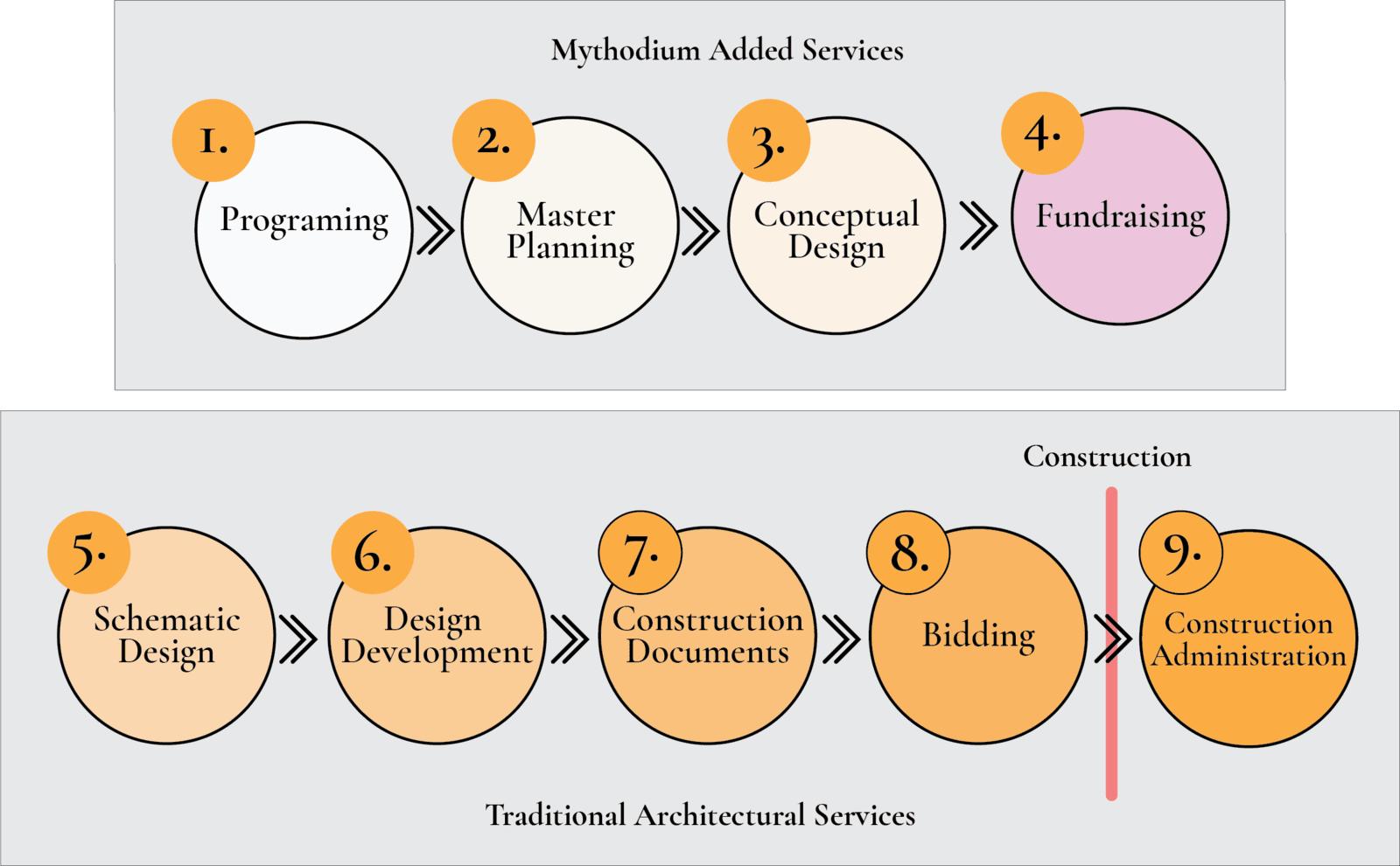
The Design - Build Process
List of Deliverables:
Initial Analysis and Research
Vision, Goals, and Program Documentation
Conceptual Master Plan, 3D Visualizations, Graphics, and Fundraising Media

Pre-design/Programming involves a systematic approach to creating well-thought-out and efficient designs for Catholic churches. It begins with gathering information about the project's requirements, such as the client's needs, site conditions, and budget constraints. This initial phase includes conducting site visits, analyzing the site's context, and understanding local regulations.
Next, the architect conducts research to gather inspiration and ideas, exploring different architectural styles, materials, and technologies. Based on this research, initial concept designs are developed, considering factors like functionality, aesthetics, and sustainability. These concepts are then refined through collaboration with the client, incorporating their feedback and aspirations.
- Site Analysis
Preliminary Design Concepts
Floor Plans
Exterior Elevations
Building Sections
3D Visualizations
Site Design
Building Systems Overview (Narrative by Architect)
Material and Finish Concepts
Code Compliance and Accessibility
Cost Estimation (In-house Square Estimate Based on Square Footage)
Documentation and Presentation
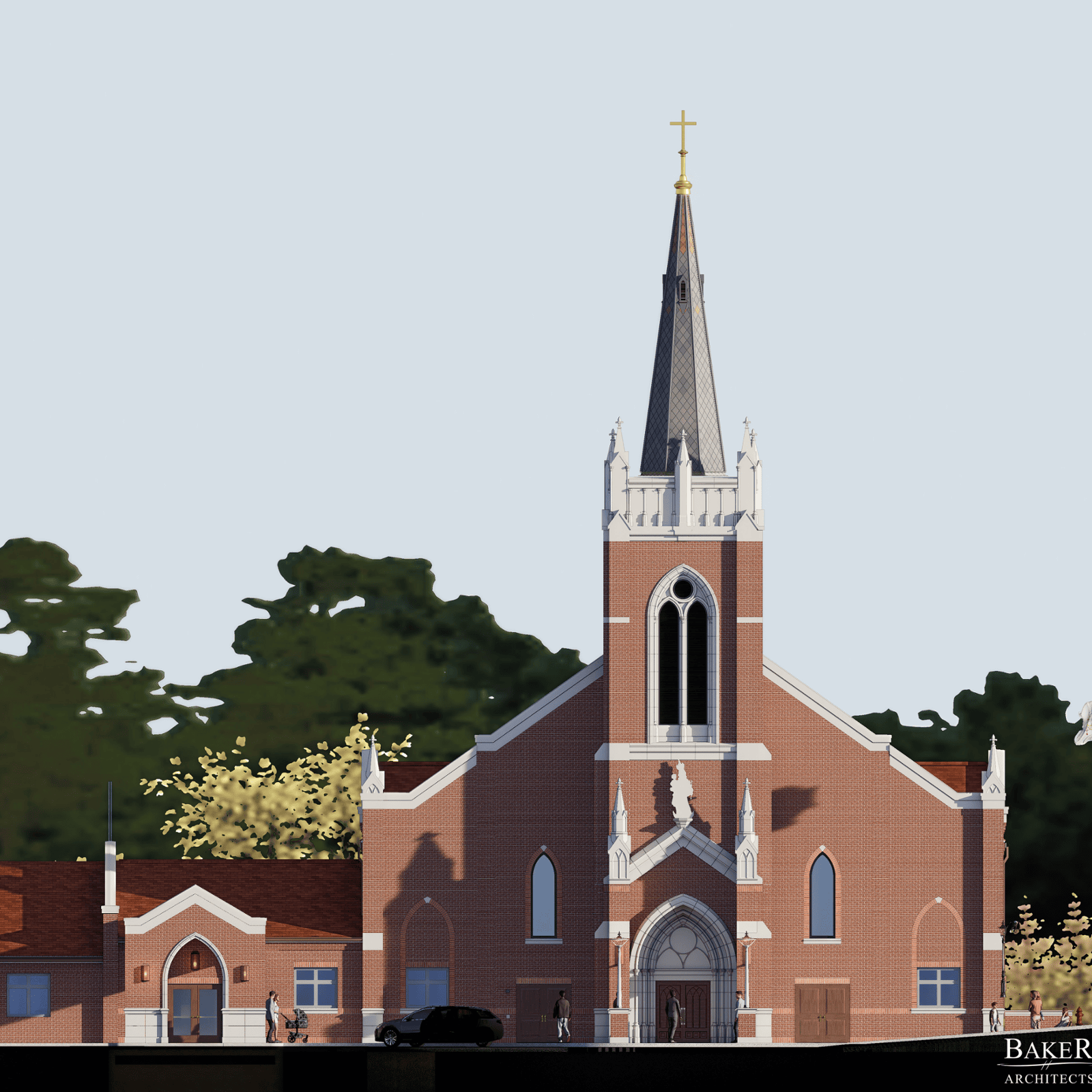
Schematic design is an early and crucial phase in the development of a building project. It involves translating the client's requirements, site analysis, and conceptual ideas into a tangible design solution. The process typically begins with gathering information and conducting meetings with the client to understand their needs, budget, and desired aesthetics.
The architect then proceeds to create preliminary drawings, including site plans, floor plans, and elevations, which outline the general layout and form of the building. These drawings are often accompanied by conceptual sketches and 3D models to convey the overall design intent. The schematic design phase serves as the foundation for further development and refinement in subsequent design phases.
- Preparation of Bid Documents
Distribution of Drawings and Specifications to Contractors
Creation of Project Manual (including requirements and contract terms)
Contractor Bid Submission and Review
Bid Evaluation and Comparison
Negotiation with Selected Contractor
Assistance with Clarifications and Contract Finalization
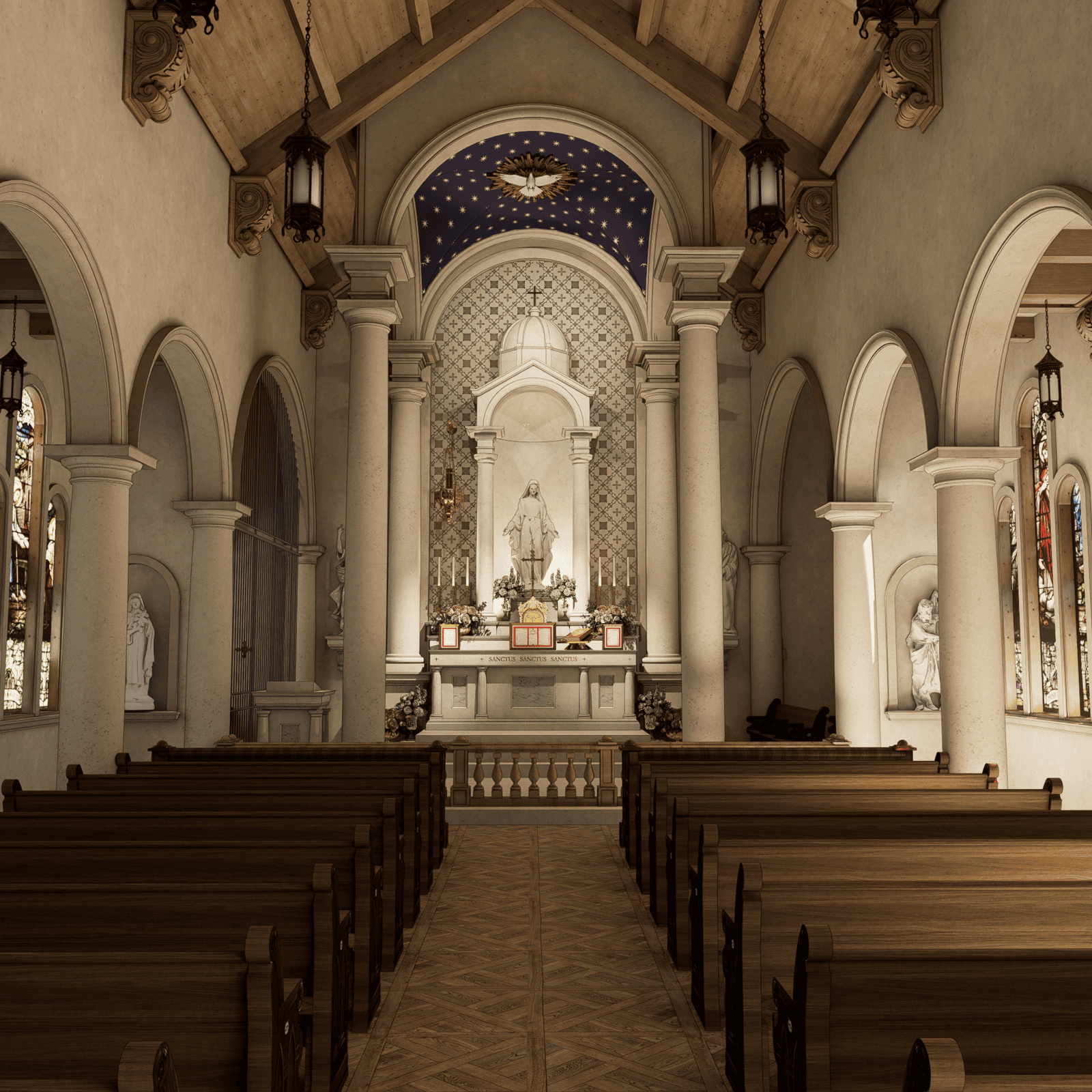
Design development follows the schematic design phase. It involves taking the approved concept and refining it into a more detailed and coherent design solution. During this phase, the architect works closely with the client, engineers, and consultants to address technical requirements and integrate various systems.
The design development phase aims to bridge the gap between the initial concept and the final construction documents, ensuring that the design meets all regulatory codes, technical standards, and functional requirements.
List of Deliverables:
Detailed Floor Plans with Annotations
Wall Sections and Construction Details
Electrical and Plumbing Plans
HVAC Layouts
Reflected Ceiling Plans
Exterior and Interior Elevations
Window and Door Schedules
Structural Drawings
Site Plans
Code Compliance and System Integration Coordination
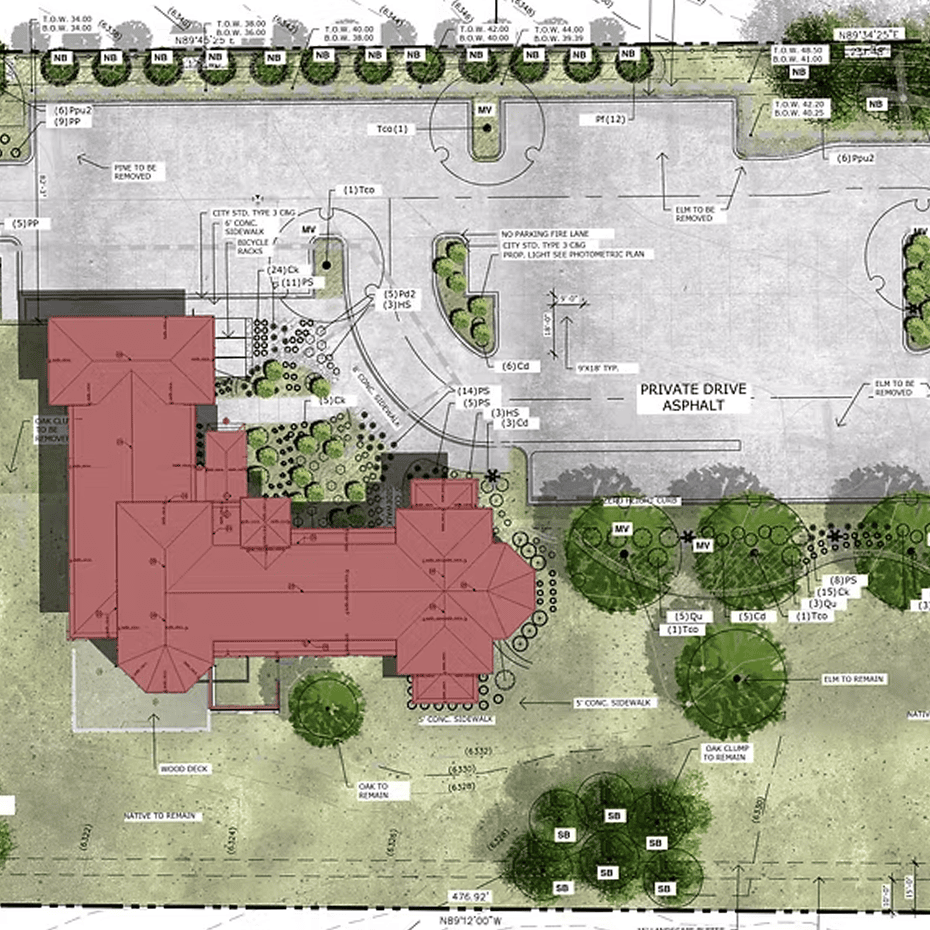
Construction documentation is where the design is translated into detailed plans and specifications for construction. Architects work meticulously to create comprehensive construction documents that provide precise instructions for builders and contractors.
The architect collaborates closely with engineers and consultants during this phase to ensure the integration of all necessary systems and compliance with building codes and regulations. The construction document design phase establishes the foundation for the actual construction and serves as a contract between the architect and the builder, guiding the construction process.

Preparation of Bid Documents
Distribution of Drawings and Specifications to Contractors
Creation of Project Manual (including requirements and contract terms)
Contractor Bid Submission and Review
Bid Evaluation and Comparison
Negotiation with Selected Contractor
Assistance with Clarifications and Contract Finalization
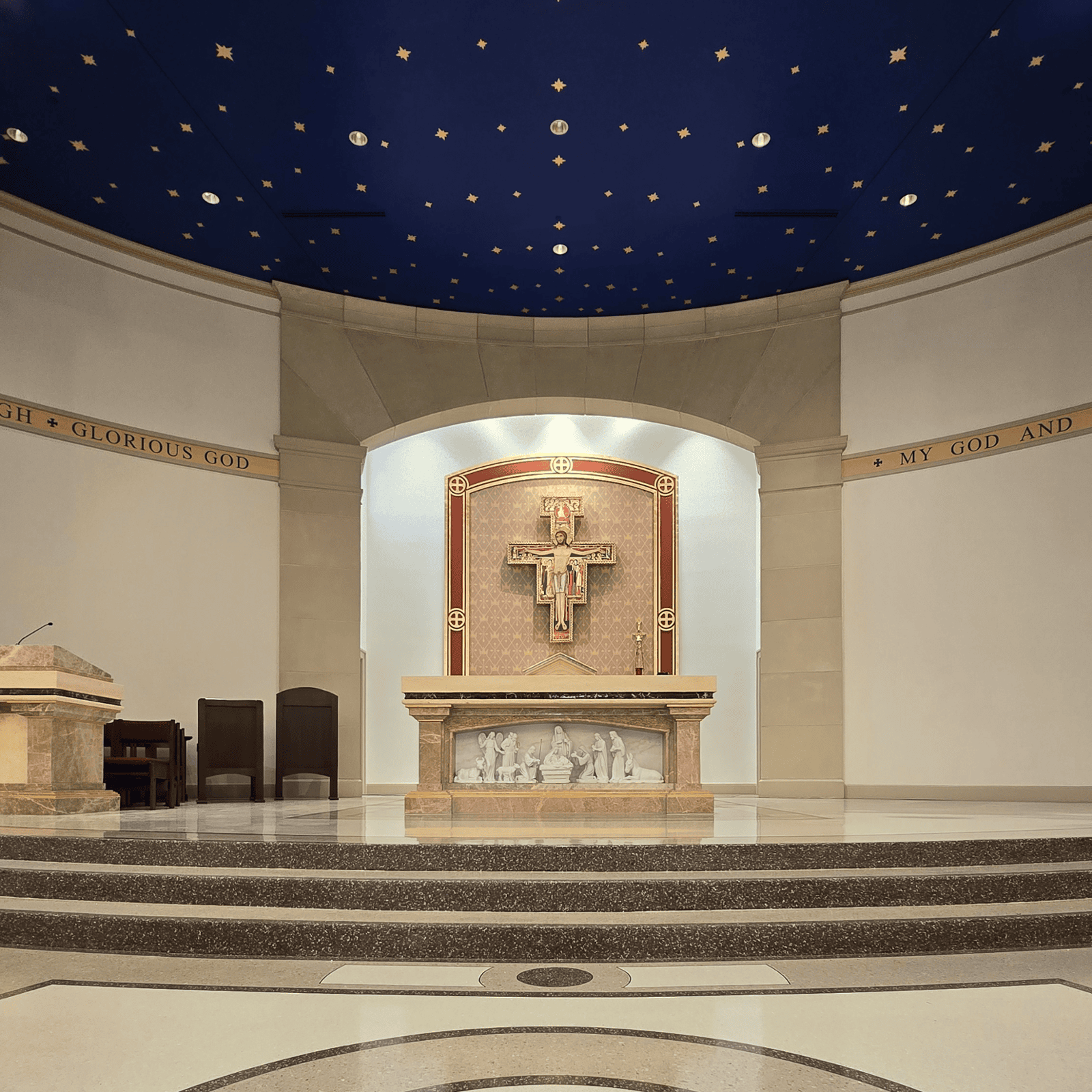
Bidding and negotiations involves selecting a contractor or construction team for the project. During this stage, the architect typically prepares bid documents and invites contractors to submit proposals.
Contractors review these documents and submit bids that include their proposed costs and timelines for completing the project. In conjunction with the Owner, the architect evaluates the bids, negotiates with the selected contractor to finalize the contract terms, and assists in resolving any discrepancies or clarifications.
List of Deliverables:
Oversight of Construction for Design Compliance
Communication and Coordination with Stakeholders
Issuing Construction Change Directives and RFIs
Review and Approval of Shop Drawings and Submittals
Site Visits and Inspections
Issuing Field Reports
Ensuring Adherence to Quality Standards and Contractual Agreements
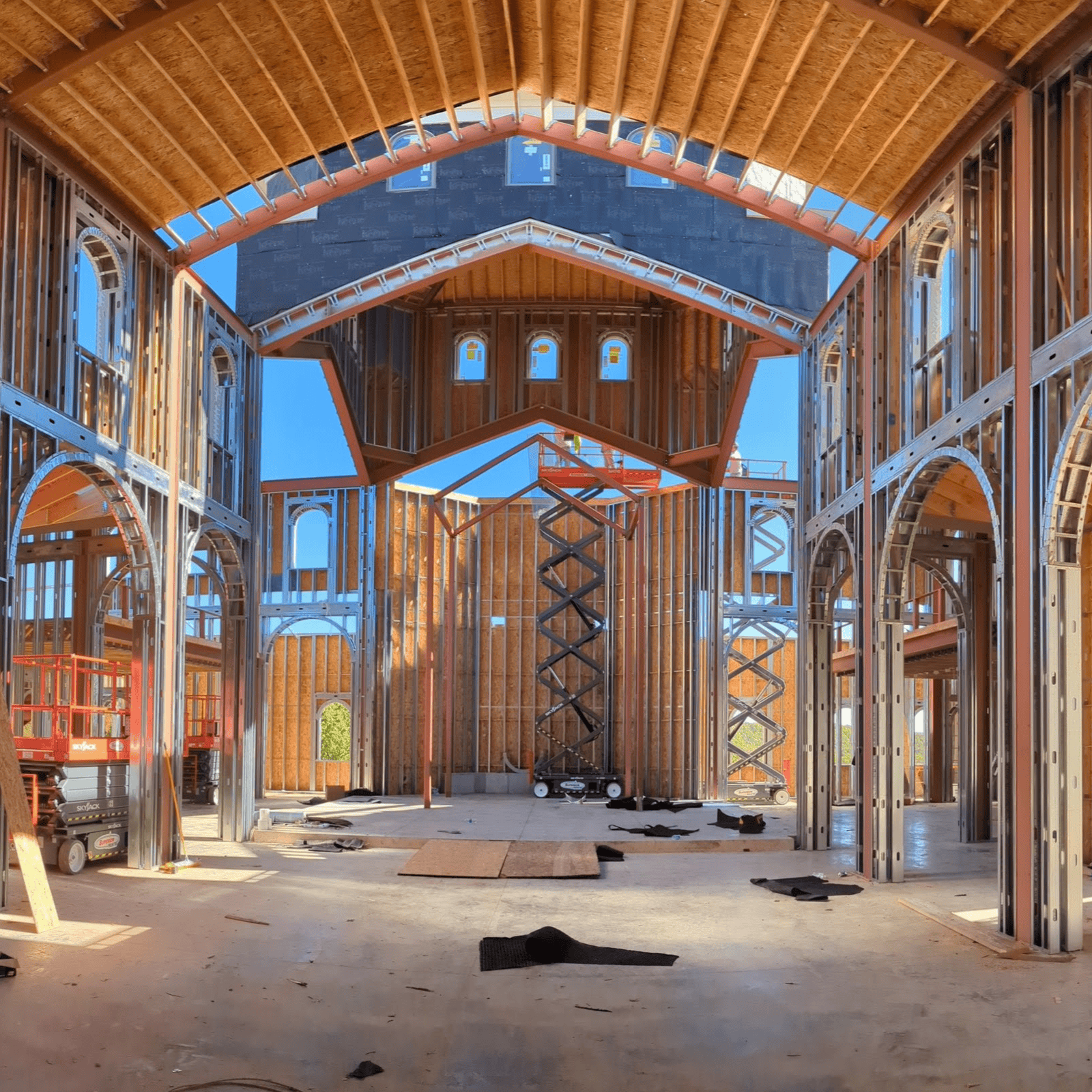
Construction administration involves overseeing the construction of the project and ensuring its adherence to the design intent and specifications. The architect acts as a liaison between the client, contractor, and other stakeholders, providing guidance and addressing any construction-related issues that may arise.
The construction administration process ensures that the project is executed in accordance with the design intent, quality standards, and contractual agreements